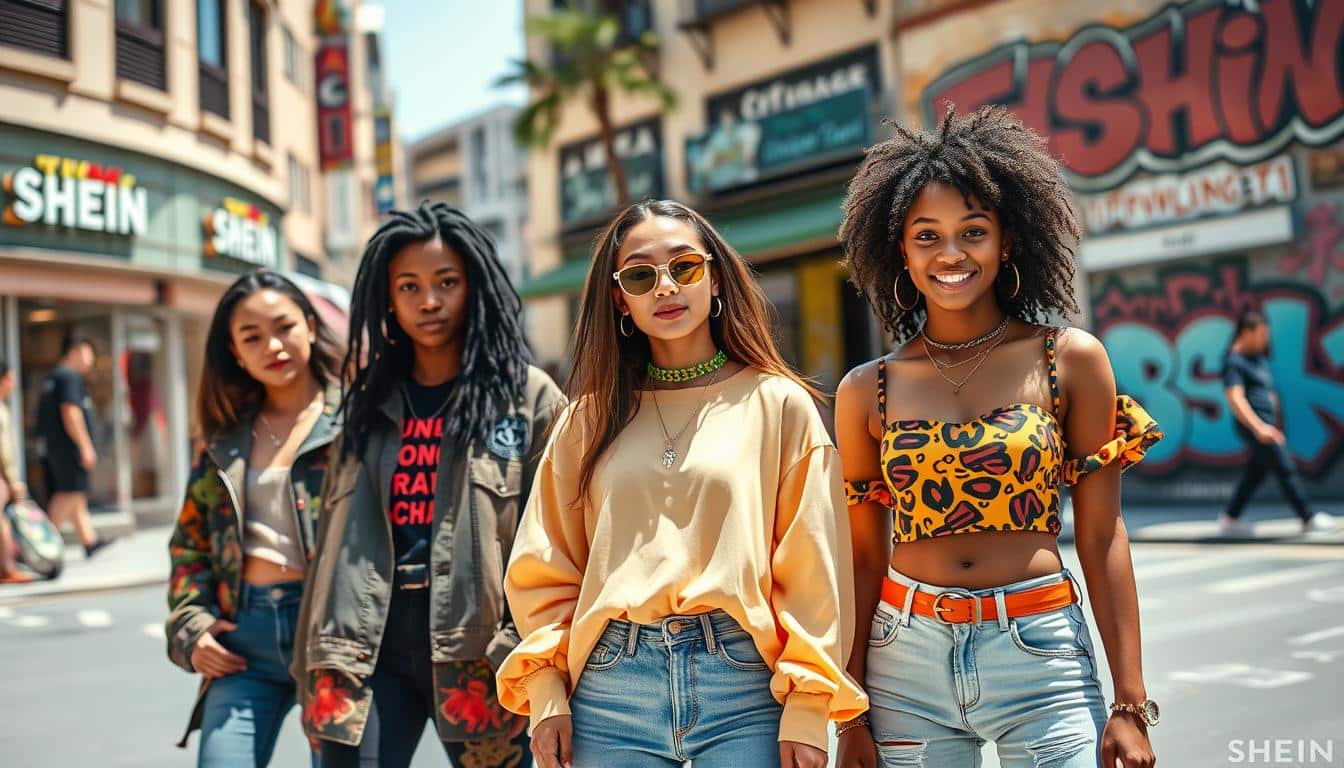
Sustainable Fashion From SHEIN: Find Out What You Can Do-Friendly
Anúncios
The search for shein sustainable fashion has come under the radar of consumers in Brazil who want to combine style and responsibility. This text sets out the objective of this article: explain what the expression Sustainable fashion SHEIN it means, to identify eco clothes-friendly SHEIN and offer practical guidelines for more conscious consumption.
The interest in conscious fashion brazil increases globally. Consumers demand environmental and social transparency, as regulators increase pressure on retail brands. This scenario makes it relevant to assess SHEIN’s statements and practices against market expectations.
Anúncios
SHEIN is a fast fashion e-commerce platform with strong global presence and expansion in Brazil. The company disclosed sustainability initiatives, but has also received criticism about environmental impacts and production conditions. Understanding these points helps the consumer to make more informed decisions.
For you reader, to know the reality of Sustainable fashion SHEIN means to reduce impact, choose materials and adopt post-purchase habits such as reuse, donation and repair. In the next sections we will detail definitions, materials and processes, Social impacts and practical tips to consume SHEIN more consciously.
Main points
- The article explains what it is shein sustainable fashion and how to identify real signs of sustainability.
- It provides context for the growth of conscious fashion brazil and pressures for transparency.
- Presents a panorama of the SHEIN: announced initiatives and criticisms faced.
- Shows why evaluating materials and post-purchase behaviour is essential.
- Precedes sections on materials, social impact and responsible consumption practices.
shein sustainable fashion
The following, I explain how the company presents solutions with lower environmental impact, what green initiatives the brand promotes and how you can rate products with sustainable appeal on the website. The aim is to offer practical criteria for those who want to make more conscious choices when buying in SHEIN.
What does sustainable fashion mean in SHEIN
The definition of sustainable fashion SHEIN covers reduction of environmental impact, use of lower footprint raw materials, responsible production practices and attention to the durability of parts. This includes less water consumption, reduction in emissions and choice of fibres such as organic cotton or recycled polyester.
In the communication of the trade mark, collections such as “Conscious choice” or “SHEIN CARE” are presented as examples of products with a lower impact. A distinction should be made between parts made from recycled materials and operational actions, such as packaging and logistics, which also influence sustainability.
Initiatives and green labels announced by the brand
SHEIN has SHEIN green programs involving use of recycled materials, Public targets for reducing plastic in packaging and partnerships with suppliers. There are local recycling campaigns in some markets and efforts to map suppliers.
Many internal labels display a Sustainable SHEIN sealBut this stamp is usually self-issued. Independent certification as GOTS, OEKO-TEX or bluesign bring more credibility. Look for explicit mention of these certifications in descriptions when you want to confirm the veracity of claims.
How to identify products with sustainable appeal on the website
For identify sustainable clothing SHEIN, use filters and tags like “Sustainable”, “echoes” or “recycled”. Read the product composition and prefer items with clear percentages of organic cotton or recycled polyester.
Verify descriptions of processes, Product origin and care instructions. Instructions to promote durability, as washing recommendations, They help you assess whether the piece is designed to last.
- Be wary of vacancies such as “eco-friendly” without numbers.
- Look for percentages of recycled material or the name of certification.
- Compare consumer reviews and real photos to check quality.
Materials and processes-Friendly used by SHEIN
Below I explain how the brand has approached matters-premiums and production stages, what gains these choices bring and where there are still gaps. The aim is to give the reader practical tools for evaluating pieces and demanding more transparency.
Sustainable fibres: Organic cotton, not carded or combed, recycled PET and more
SHEIN mentions the use of organic SHEIN cotton and recycled polyester in multiple lines. The organic SHEIN cotton reduces the use of pesticides and encourages agricultural practices that preserve soil.
The Recycled SHEIN comes from plastic bottles and waste, which decreases the demand for oil and cuts waste. There are also references to responsibly sourced viscose and blends with recycled fibres in specific parts.
It ‘s important to look at the label: a percentage of recycled material does not make the part fully sustainable. Check the percentage, the full composition and recognised seals before drawing conclusions.
Production processes with the lowest environmental impact
Some practices cited in industry initiatives and reported by the brand include dyeing with lower water consumption and less toxic dyes. These measures reduce the chemical load and water use in factories.
Factories that optimize energy, They recycle wastewater and improve logistics. SHEIN points to efficiency improvements and smaller packaging in certain markets.
Independent audits and public reports are essential to confirm changes in the Sustainable manufacturing processes. Without proof, improvement claim has limited value.
Limitations and supply chain transparency
SHEIN’s chain is extensive and includes many third-party suppliers. This makes it difficult to ensure uniform practices at all stages.
NGOs and journalists often call for greater transparency about manufacturing locations, factory names and audit results. Regular reports verified by third parties increase credibility.
- Look for company sustainability reports.
- Search for supplier lists when available.
- Require evidence from independent certification to corroborate claims about SHEIN sustainable fibres and Sustainable manufacturing processes.
Social and ethical impact of SHEIN practices
The discussion of fast fashion requires looking beyond price and design. Issues of working conditions, Audits and social projects influence the reputation of brands-be of the communities involved in production.
Working conditions
Frequent reports in the industry include long working hours, Low wages and security risks. The concern for SHEIN working conditions returned to the center after journalistic investigations pointed out irregular practices in some factories.
Working conditions and supplier audits
SHEIN declares to apply codes of conduct and perform SHEIN supplier audits to check conformity. These actions include social audits, safety and environmental.
Independent entities and NGOs often point out gaps when comparing audits announced by the brand with external evaluations. Complaints cite the need for more frequent, publicity of results and clear remedial actions.
Social programmes and Community initiatives
Companies in the sector often run projects such as vocational training, support for local communities and partnerships with organisations. SHEIN reports some social initiatives and philanthropic campaigns in their reports.
The size and impact of these programmes vary according to the source. Looking for impact indicators and testimonies from beneficiaries helps to better understand the real scale of social initiatives.
How to assess social responsibility beyond labels
The Social responsibility SHEIN must be assessed by pragmatic criteria. Verify public policies on child labour, fair wages and overtime.
- Request independent audit reports and remediation cases.
- Compare the frequency of SHEIN supplier audits with industry practices.
- Seek transparency: public data, targets and penalties for non-compliance.
Complementing the reading with reports from NGOs like Human Rights Watch and groups such as Clean Clothes Campaign gives critical insight. Investigative journalism also helps to map discrepancies between discourse and practice.
How to consume SHEIN more consciously

Careful shopping makes a difference for your pocket and the planet. For Consume SHEIN consciouslyIt ‘s worth adjusting habits and choosing pieces with judgment, not by impulse.
Practical tips for choosing durable and versatile parts
- Check the composition on the sheets: prefers quality natural or recycled fibres and observes customer feedback on shrinkage and finish.
- Look for classic cuts and neutral colors that match each other. Timeless clothes generate more uses per piece and less turnover in the wardrobe.
- Calculate cost per use: Paying a little more for something that’s going to be used a lot can be more sustainable than many cheap parts.
- Follow care instructions to increase shelf life: adequate washing, avoid dryer when indicated and immediate minor repairs.
Alternatives to reduce waste: upcycle, replacement and repair
- Practical upcycle SHEIN Turning parts with patches, creative tinges or adjustments to renew the look.
- Prefer to repair clothes at local seamstresses to correct simple defects rather than discard.
- Participate in exchanges between friends or use marketplaces and Brazilian brechós to extend the life cycle of parts.
- Donate what you do not use to local institutions or use textile recycling points where available.
How to harness sustainable collections without falling into greenwashing
- Be wary of vacancies such as “echoes” without concrete data. Look for clear percentages of recycled material and names of certification bodies.
- Check recognised certifications, as GOTS for organic cotton and global recycled standard.
- Read reports and descriptions about suppliers and processes before deciding to buy.
- Combine the choice of sustainable collections with post-purchase practices: use more, resell or repair to ensure real impact; and avoid greenwashing.
Adding small changes to the shopping habit creates a more functional wardrobe. These SHEIN sustainable fashion tips They help balance style, economy and responsibility.
Conclusion
The Sustainable fashion summary shein points out that the brand already incorporates materials such as organic cotton and recycled PET, In addition to announcing processes with less impact. These initiatives show progress, but do not replace the need for independent certification and greater transparency in the production chain.
When assessing whether SHEIN worth sustainable, it is important to balance options with ecological appeal and the real constraints: Incomplete disclosure about suppliers, poorly detailed audits and challenges in working conditions. These gaps reduce trust, even when pieces have green labels.
To promote Responsible consumption, we recommend checking composition and seals, reducing impulse purchases and prioritising durable parts. Consider secondary alternatives-hand, Repairs and upcycle to extend guard life-clothing and reduce impact.
Finally, demand more transparency from brands and support public policies that encourage fair fashion. Applying the practical tips here, Brazilian consumers can build a more conscious and elegant style without sacrificing environmental and social responsibility.
FAQ
What does it mean “shein sustainable fashion” And how does that differ from traditional fashion?
“Shein sustainable fashion” refers-SHEIN initiatives and products that seek to reduce environmental impact and improve social practices. This includes parts with fibres such as organic cotton or recycled polyester, collections labelled as “Conscious choice” and actions in packaging and logistics. Differs from traditional fashion by emphasizing lower-impact materials and processes, But it’s important to remember that many actions are partial: small percentages of recycled material or internal seals do not automatically mean full sustainability. Verify composition, independent certification and brand transparency is key.
What seals and certifications should I look for when evaluating products “Sustainable” in SHEIN?
Look for certifications recognized as GOTS (Organic cotton, not carded or combed), global recycled standard (GRS) Of a thickness of less than 0, 15 mm. SHEIN may use its own labels or terms such as “echoes” and “recycled”, but these alone do not replace independent certification. Check product descriptions for percentages of recycled material, certification names; and, whenever possible, public reports supporting audits and suppliers.
How to identify parts with the lowest environmental impact on SHEIN’s website?
Use filters and tags like “Sustainable”, “echoes” or “recycled” when available. Carefully read the composition of the product (Other, of a thickness.: % recycled polyester, Organic cotton, not carded or combed), care instructions and process information. Consult real consumer reviews and photos to assess quality and durability. Be wary of uncertain vacancies and compare items before buying.
SHEIN has initiatives to reduce packaging and emissions? That’s enough?
SHEIN reports efforts to reduce plastics in packaging, Logistics optimisation and use of smaller packages in some markets. Are positive steps, but, in isolation, do not ensure low overall impact. The chain scale, The diversity of suppliers and the need for independent audits make it essential to require verifiable public targets and detailed reporting.
What materials “echoes-friendly” What is SHEIN used for and what are its benefits?
Among the materials mentioned by the brand are organic cotton, recycled polyester (Recycled PET) and viscose from responsible sources. Organic cotton reduces the use of pesticides; PET recycling reduces demand for oil and diverts plastic from landfills; certified fibres tend to have a lower water and chemical impact. Always assess the percentage of these materials in the part, Because small additions don’t make the garment totally sustainable.
How SHEIN monitors working conditions in its supply chain?
SHEIN claims to conduct social audits, the safety and environmental performance of suppliers and maintain codes of conduct. However, independent research and NGOs indicate that there are gaps in the frequency, transparency and correction of irregularities. Interested consumers should seek public reports, policies on child labour and fair pay, And follow up on analysis from organizations like the Clean Clothes Campaign.
SHEIN supports social or community projects in production regions?
The brand discloses some philanthropic initiatives and community support programmes in its communications. The scale, the scope and concrete impact vary, and not all actions have an independent evaluation. To better understand, look for details on impact indicators, local partners and testimonies of beneficiaries, in addition to public reports.
How can I consume in the SHEIN more consciously without neglecting style and economy?
Prioritize the best quality and versatile parts, Choose timeless colors and cuts, check composition and ratings. Consider cost per use: It’s better to invest in fewer parts that you will actually use. Follow care instructions to extend shelf life and prefer repair, Customize or change clothes before disposal.
What practical alternatives reduce waste when buying in SHEIN?
Alternatives include repair at local seamstresses, upcycling and customization, donation to institutions or sale on second-hand marketplaces and apps in Brazil. Peer-to-peer exchanges and reselling platforms help to extend the lifecycle of parts and reduce landfill waste.
How to avoid falling into the “greenwashing” by choosing pieces with sustainable appeal?
Be wary of vacancies such as “eco-friendly” without data. Look for clear percentages of recycled material, names of independent certifications (GOTS, GRS, OEKO-TEX) and evidence in public reports. Check whether the company has verifiable targets and audits, and combines conscious purchasing with post-purchase practices that ensure real impact reduction.
SHEIN already has public sustainability reports? How to access them?
SHEIN publishes some information about its initiatives and goals in areas such as materials and plastic reduction, usually in corporate sections of the website or annual reports. To access, Look for the area of “Sustainability” or “Social responsibility” on the international website of SHEIN. Read carefully and supplement with independent sources to assess accuracy and comprehensiveness.
Should I rely on other consumers’ reviews to judge the sustainability and durability of a piece?
Consumer reviews are useful in assessing quality, finish and perceived durability. Real photos and reports of use help to understand if the part has withstood time. However, for sustainability claims, combine these assessments with compositional checks, certification and documentation of the mark.
Which organisations or independent sources to follow when assessing SHEIN practices?
Watch reports and investigations from NGOs and movements like the Clean Clothes Campaign, Human Rights Watch and journalistic publications investigating the textile chain. Platforms that monitor corporate transparency and independent certifiers are also good references to check the credibility of claims.
How the Brazilian consumer can push for more transparency and better practices?
Consumers can demand clear information when buying, apply for certificates, share assessments and complaints, supporting legislation and projects that promote environmental and social responsibility, and opt for more transparent labels. Participation in collective campaigns and support for local circular economy initiatives also have an impact.