
Advertisements
This text discusses foods that are good for people with high blood pressure. It shows how certain foods can help control this condition. Let's see what they are and how they can help you.
Foods like coconut water, bananas, and pumpkin seeds are rich in potassium. Nonfat yogurt is good because it contains calcium. They help lower sodium levels in the body.
Advertisements
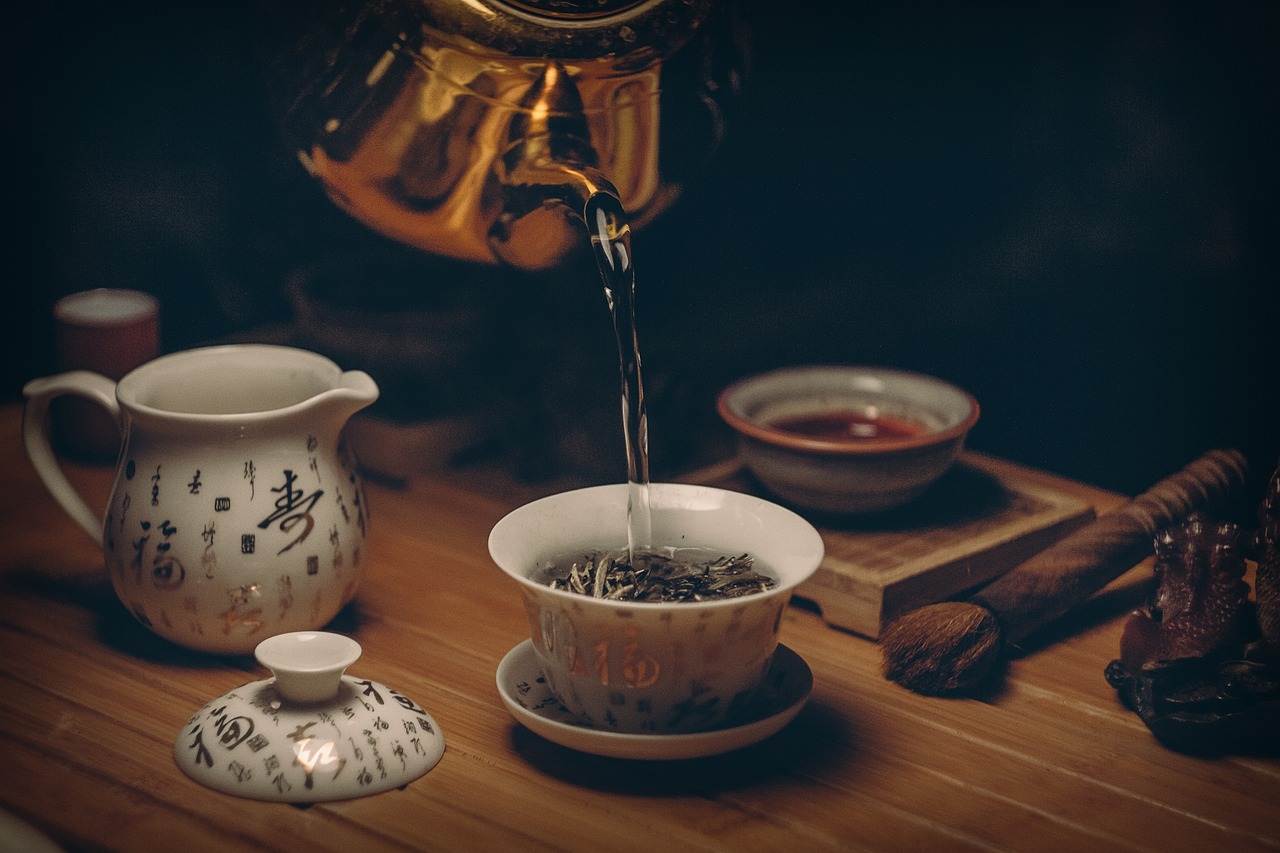
Hibiscus tea
Other foods, such as pomegranate, grapes, and green tea, are full of antioxidants. They help reduce inflammation and improve blood flow. We also mentioned turmeric, ginger, and garlic, which help dilate veins.
The text mentions the DASH diet, which is good for people with high blood pressure. It includes many fruits, vegetables, and whole grains. This type of diet helps lower blood pressure, according to studies.
Important: Medical supervision is essential. Doctors and nutritionists will guide you. They will also explain the importance of exercising, controlling your weight, and getting enough sleep.
Understanding the relationship between diet and blood pressure
The food you eat can change your blood pressure. This happens because certain nutrients affect the blood in your body. A balanced diet can reduce heart problems and help control blood pressure if you also follow medical advice.
How do sodium, potassium, calcium, and magnesium influence blood pressure?
Eating too much salt causes the body to retain more fluids, which can increase blood pressure. Health organizations say that people shouldn't eat more than 5 grams of salt per day. But many people eat more than that.
Foods rich in potassium help lower blood pressure. They cause the body to release more sodium through urination and relax blood vessels. Some examples include bananas, coconut water, avocados, and pumpkin seeds.
Consuming calcium helps with the contraction and relaxation of the heart. Low-fat yogurt and dairy products are good choices. Magnesium also helps, and you can find it in whole grains, green vegetables, and nuts.
Why reducing ultra-processed foods is essential
Ultra-processed foods are high in sodium, unhealthy fats, sugars, and additives. It's important to read labels to choose healthier foods.
Eating fewer ultra-processed foods can lower blood pressure. This happens because you'll consume less sodium and unhealthy calories. Preparing food at home helps you eat better.
DASH diet and scientific evidence for hypertension
The DASH diet has been known to help with high blood pressure since the 1990s in the US. It suggests eating plenty of fruits, vegetables, low-fat dairy, whole grains, lean meats, and nuts.
- Practical recommendations: 8–10 servings of fruits and vegetables per day and 6–8 servings of whole grains.
- Studies show a significant reduction in blood pressure when the DASH diet is adopted.
Although diet can help, it is not a substitute for medication for high blood pressure. People with serious health problems need medical care and specific treatment.
Foods rich in potassium that help lower blood pressure.
Potassium is essential for those who want to keep their blood pressure under control. It helps blood vessels relax and increases sodium elimination. Eating foods high in potassium can lower your blood pressure, improve heart health, and balance body fluids.
THE Coconut Water It hydrates and provides electrolytes, being rich in potassium. It relaxes the arteries and helps you eliminate more sodium. But it's best not to drink more than 3 glasses a day. Diabetics should limit themselves to 1 glass because of the sugar. And those with kidney problems should speak to a doctor before consuming it.
Banana, dried plum and pumpkin seeds They are excellent sources of potassium and easy to include in the diet. Bananas are good for snacks and help control blood pressure. One dried plum a day is enough. And pumpkin seeds, with about 820 mg of potassium per 100 g, are great in salads.
For those with diabetes or watching their weight, be careful with dried plums. Their sugar content can be a problem. It's best to eat them with protein or fiber to avoid blood sugar spikes. Pumpkin seeds are high in calories, so consume them in moderation.
Some people need to be careful with potassium. Those with chronic kidney disease should limit this mineral. Diabetics should be mindful of dried fruits and sugary juices. Always talk to a nutritionist or doctor before changing your diet.
- Practical tip: replace ultra-processed drinks with coconut water on special occasions, respecting consumption limits.
- Combine banana with oatmeal or nonfat yogurt for a balanced snack.
- Add toasted pumpkin seeds to salads for texture and mineral contribution.
Foods with antioxidants and flavonoids that improve circulation.
Antioxidants and flavonoids are great for blood vessel health and reduce inflammation. Adding them to your diet can help control blood pressure. But remember, this is not a substitute for medical advice. See below for some foods and drinks that are good for blood vessels.
Pomegranate, grape and blueberry: the action of anthocyanins, resveratrol and flavonoids
Pomegranates are full of substances like flavonoids, quercetin, and tannins. These components help reduce inflammation and improve circulation. Consuming pomegranates raw or in salads can provide these benefits.
Purple grapes are known for their resveratrol and tannins. Research indicates that they improve blood vessel health, especially when consumed with the skin. But it's best not to overdo it; about 10 grapes a day is enough to avoid too much sugar and potassium.
Blueberries are rich in anthocyanins, which help fight hypertension. The recommended amount is between 60 and 120 grams daily. Those taking blood medication or at risk of significant blood sugar drops should speak with a doctor before consuming blueberries.
Green tea and cocoa: benefits, safe doses and contraindications.
Green tea is full of catechins and flavonoids that help relax blood vessels. Drinking up to 3 cups a day is considered safe. However, some people, such as those with thyroid problems or who are pregnant, should seek advice from a doctor before consuming it.
Cocoa, especially dark chocolate, is good for blood pressure. The flavonoids present in it help to relax blood vessels. It is recommended to eat up to 40g of dark chocolate per day or use 2 teaspoons of cocoa powder.
It's important not to overdo it with green tea and cocoa if you have insomnia, gastritis, or are sensitive to caffeine. Pregnant and breastfeeding women should always consult a doctor before changing their diet.
How to include these fruits and drinks in your routine without overdoing it.
- Choose whole fruits instead of processed juices to reduce added sugar.
- Serve a portion of blueberries (≈60–120 g) in yogurt or oatmeal in the morning.
- Add pomegranate to salads and desserts; avoid the peel and bitter parts if you have gastritis.
- Consume up to 10 grapes with skin as a snack; adjust as directed if you have kidney disease.
- Limit green tea to 3 cups per day and watch for signs of nausea or insomnia.
- Include up to 40g of dark chocolate per day or cocoa powder in unsweetened beverages.
Small changes to your diet can increase your intake of antioxidants and help maintain healthy blood pressure. But remember to always talk to your doctor or nutritionist. They can tailor these suggestions to your health and needs.
Roots and functional spices for blood pressure control.
Kitchen spices contain substances that affect our veins and blood. Here, we'll give you tips on how to use these spices in your daily life. We'll also talk about the right amount and when it's best to stop consuming them. It's important to balance the benefits and be careful, especially if you take blood or blood pressure medication.
Turmeric and curcumin
Turmeric contains a substance called curcumin. It is very good for reducing inflammation and helping arteries relax. When using curcumin, it is ideal to follow the correct dose, which is up to 3 milligrams per kilogram of your weight per day. It is best to divide this amount throughout the day.
Add fresh or powdered turmeric to your soups, juices, teas, or as a seasoning for meats and vegetables. Do not overuse, as it can irritate the stomach. People with gallbladder problems, those taking blood thinning medication, pregnant women, or breastfeeding mothers should always consult their doctor before use.
Ginger and circulation
Ginger contains substances like gingerol and zingerone, which help improve blood circulation. The safe amount of ginger for adults with high blood pressure is up to 5 grams per day.
It can be consumed fresh, dried, in teas or juices, or as a spice. Those with gallstones, bleeding problems, or those using blood or diabetes medication should consult a specialist. Excessive use can cause stomach pain, diarrhea, and heart problems. Pregnant women should use a maximum of 1 gram per day and avoid it near the time of delivery.
Garlic and hypotensive action
Garlic helps lower blood pressure and improve circulation. To reap these benefits, eat a clove of raw garlic every day. Let it sit crushed for 10 minutes before eating; this activates important substances.
Use garlic in salads, seasonings, meats, or teas, but don't overdo it. Do not use it on newborns, after surgery, or if blood pressure is very low. People who take blood or diabetes medication should talk to their doctor. Signs that it's not agreeing with you include stomach pain and persistent bad breath.
- Start with small amounts and see how your body reacts.
- Note how the medications react with the spices and discuss this with your doctor.
- Choose fresh foods and cook them gently to preserve their benefits.
Foods that promote vascular health and reduce cholesterol.
Eating foods with healthy fats and plenty of fiber helps keep arteries healthier. This can help control atherosclerotic plaque. Choosing the right proteins, with seeds and whole grains, improves cholesterol and blood pressure.
Salmon and fish rich in omega-3
Fish like salmon contain EPA and DHA, which are good for the heart. They reduce inflammation and help lower triglycerides. Eating salmon two to three times a week protects your heart and helps control blood pressure.
Eating less red meat and more fish helps fight hypertension. This is a simple way to take care of your health.
Flax seeds and walnuts
Flaxseed is rich in ALA, a plant-based omega-3, and complements fish well. One tablespoon of flaxseed a day is sufficient.
Walnuts are full of polyphenols and alpha-linolenic acid. They are great in yogurt and salads. But be careful not to overdo it, as it can upset your stomach.
These foods can regulate blood pressure if you eat a balanced diet.
Oats and soluble fiber
Oatmeal is full of a fiber called beta-glucan, which helps lower LDL cholesterol. Eating oatmeal at breakfast increases the feeling of fullness, aiding in weight management.
Making recipes like oatmeal porridge is easy and helps improve cholesterol. This is good for heart health.
- Combine fish rich in EPA/DHA with flax seeds and nuts.
- Prioritize whole-grain oats and homemade recipes to ensure soluble fiber.
- Keep portions under control to avoid excess calories and discomfort.
Eating salmon, flaxseed, walnuts, and oats is good for blood vessels and helps circulation. These foods, if consumed regularly, improve heart health and control blood pressure in the long term.
Vegetables that help relax the blood vessels.
Adding fruits and vegetables to your diet improves the health of your veins and arteries. They contain minerals and substances that help blood vessels relax. This helps reduce blood vessel stiffness and maintain stable blood pressure. Here, you'll find easy ways to include more vegetables in your diet without sacrificing the pleasure of eating.
Beetroot and its effects
Beetroot is rich in nitrates. In the body, these turn into nitric oxide, helping to relax the arteries. This can cause blood pressure to drop quickly. You can consume it in juices, salads, or spreads.
Those with kidney stones should use it with caution. Diabetics should pay attention to portion sizes, as it may raise blood sugar.
Greens that help the vascular system
Kale, a food source for hypertension, is famous in research for its antioxidants and minerals. It helps care for blood vessels and reduce inflammation. Spinach and arugula are also great options for this purpose.
Include leafy greens in your diet every day. They can be eaten in salads or as part of hot dishes. This way, you ensure a good supply of essential nutrients.
Practical ways to include more vegetables
- Make green juices with beetroot, but control the quantities so you don't overdo it.
- Create varied salads using kale, carrots, tomatoes, and seeds for added nutrients and texture.
- Add vegetables to omelets, bowls, and sandwiches for more flavor and nutrients.
- Prepare soups or stir-fries with garlic and turmeric to enhance their anti-inflammatory properties.
Planning your meals is key to consuming 8–10 servings of fruits and vegetables per day. This is recommended by diets like the DASH diet. Knowing how to incorporate vegetables into your meals changes your habits and brings real health benefits, such as lowering blood pressure.
Yogurt, dairy products, and calcium-rich foods for healthy blood pressure.
Including low-fat dairy products in your diet can help control blood pressure. Nonfat yogurt is rich in calcium, potassium, and protein. These nutrients help maintain healthy blood vessels. Choose natural, unsweetened options for even greater heart benefits.
Non-fat yogurt: practical benefits
Nonfat yogurt contributes to arterial health with its calcium and potassium content. It also contains probiotics that improve metabolism. Eating it at breakfast or as a snack can reduce cravings for sweets.
Alternative sources and attention to lactose.
People with lactose intolerance need alternative sources of calcium. Fortified plant-based drinks, almonds, chia seeds, and flaxseeds are good options. It's important to remember that calcium absorption can vary. Therefore, it's advisable to talk to a nutritionist.
Portions and combinations that work
According to the DASH diet, it is recommended to consume about 3 servings of dairy products per day. Use this guideline and adjust as needed. Adding yogurt to fruits with antioxidants and seeds is very beneficial. This can help lower blood pressure.
- Morning option: low-fat yogurt with blueberries and chia seeds.
- Convenient snack: plant-based drink fortified with a serving of almonds.
- Substitution: salads with kale and tahini for more calcium without lactose.
Be careful with whole-fat or sweetened yogurts, as they have more saturated fat and sugar. By following the portion sizes recommended by DASH, you can balance your nutrients and avoid overloading your diet plan.
Dietary habits and lifestyle that enhance the effects of food.
Simple changes in daily life can improve how food affects blood pressure. Having practical routines helps maintain a healthy diet. This also increases our overall well-being.
Reduce salt, avoid ultra-processed foods, and read labels.
- Use less salt when cooking and eating. This follows the WHO guideline of up to 5g/day. This tactic is effective in controlling blood pressure.
- Avoid ultra-processed foods, such as soft drinks, processed meats, and ready-made meals. Opt for natural ingredients and prepare meals at home.
- When reading labels, look for hidden sodium in broths, ready-made sauces, and canned goods. Use seasonings like garlic, turmeric, and fresh herbs instead.
Proper hydration, moderation of alcohol and caffeine.
- Drinking about 2 liters of water daily helps your kidneys and maintains the balance of bodily fluids. This is a valid tip for most people.
- Coconut water contains electrolytes, but should be consumed with caution by those monitoring blood sugar or high potassium levels.
- Cut down on alcohol and don't overdo it on caffeine. Green tea, for example, can be drunk up to 3 times a day, respecting individual tolerance.
The importance of physical activity, weight control, and professional guidance.
- Regular physical activity has been proven to be beneficial for blood pressure. Mix aerobic exercise with strength training for better results.
- Controlling weight and getting quality sleep improve the results of dietary changes. Losing weight can help reduce blood pressure.
- Visit a cardiologist for medication adjustments if necessary. A nutritionist can create a personalized meal plan for each situation.
Conclusion
This text highlights foods that are important for people with high blood pressure. Include potassium, found in coconut water and bananas. It also recommends antioxidants in fruits like pomegranate and blueberry, and omega-3s in salmon and walnuts. Don't forget fiber in oats and low-fat dairy products like yogurt, following the DASH diet guidelines.
Some people need to be careful, such as pregnant women and those with gastritis or diabetes. Before changing your diet, it's important to talk to a doctor if you are taking medication or have any health problems. This helps prevent problems with foods like garlic and green tea.
To keep your blood pressure under control, combine a healthy diet with less salt and fewer processed foods. Exercising and maintaining a healthy weight also helps. To ensure you're on the right track, seek guidance from a cardiologist and a nutritionist.
FAQ
What should I know about the impact of sodium, potassium, calcium, and magnesium on blood pressure?
Too much sodium causes your body to retain fluids, raising your blood pressure. Conversely, potassium, calcium, and magnesium help to balance this. Potassium helps the kidneys eliminate more sodium, and calcium and magnesium help relax blood vessels.
Eat more natural foods to balance these minerals. Include coconut water, bananas, prunes, pumpkin seeds, low-fat yogurt, and green vegetables in your diet. And remember to reduce your salt intake, following the WHO limit of up to 5 grams per day.
Why is it important to reduce ultra-processed foods to control blood pressure?
Ultra-processed foods They are full of sodium, bad fats, sugars, and additives that raise your blood pressure. By eating less of these products, you reduce your intake of hidden sodium and unhealthy calories.
Always read labels and avoid bouillon cubes, ready-made soups, processed meats, and fast food. Choose fresh foods and prepare your meals at home.
Does the DASH diet really help lower blood pressure?
Yes. The DASH diet encourages eating fruits, vegetables, low-fat dairy, whole grains, lean meats, and nuts. It suggests eating 8 to 10 servings of fruits and vegetables and 6 to 8 servings of whole grains per day. Following DASH can significantly lower your blood pressure.
How much coconut water can I consume per day, and who should be careful?
Coconut water can be good for blood pressure because of its potassium content. Healthy adults can drink up to 3 glasses a day. Diabetics should limit it to 1 glass because of the sugar. Those with kidney problems or at risk of high potassium levels should seek medical advice before consuming it.
How can you include bananas, prunes, and pumpkin seeds in your diet without overdoing it?
Bananas can be an easy snack and provide potassium and fiber. Eat one dried plum a day to regulate potassium without overdoing it on sugar. Add small amounts of pumpkin seeds to salads and yogurt to avoid too many calories and sugar.
People with diabetes and kidney problems should seek advice from a healthcare professional before adding these foods to their diet.
What precautions should people with kidney failure take regarding potassium?
People with kidney problems often need to eat less potassium to avoid serious issues like hyperkalemia. Foods rich in potassium Fruits, seeds, and certain vegetables may need to be limited. Always speak with a doctor or nutritionist before changing your diet.
Do pomegranates, grapes, and blueberries really help lower blood pressure? How should we consume them?
Yes. Pomegranates, purple grapes, and blueberries have nutrients that help lower blood pressure. To benefit, eat the fruits fresh and control the quantity. Avoid processed juices and keep an eye on your blood sugar if you have dietary restrictions.
What is a safe dose of green tea and cocoa to benefit circulation without causing adverse effects?
Green tea is good in moderation, about 3 cups a day. More than that can cause problems like nausea or insomnia. Cocoa or dark chocolate, up to 40 grams a day, also helps, but be careful if you are sensitive to caffeine.
How can you include turmeric, ginger, and garlic in your diet to help control blood pressure?
Use turmeric in spices and teas, but do not exceed 3 mg/kg of body weight per day. Ginger is good in teas and spices up to 5 g per day, but during pregnancy, do not exceed 1 g. Fresh garlic can lower blood pressure; one crushed clove per day is a good measure.
Pay attention to potential drug interactions and specific health conditions.
Which fish and seeds should I prioritize to obtain omega-3, and what are the recommended amounts?
Choose oily fish like salmon, sardines, and mackerel to get EPA and DHA. Eat fish at least twice a week. A tablespoon of ground flaxseed or walnuts a day provides plant-based omega-3s and antioxidants. Balance the amounts because of the calories.
Does oatmeal help with blood pressure? How should I consume it daily?
Yes, oats help keep blood pressure under control. They reduce LDL cholesterol and help with weight and blood sugar management. Use oats in porridge, yogurt, smoothies, and homemade granola. Opt for whole-grain versions without added sugar.
Beetroot and kale are really effective at reducing blood pressure, and how can we consume them safely?
Beetroot contains nitrates that help lower blood pressure. Eat it in moderation, raw, cooked, or juiced.
Be careful if you are prone to kidney stones or are diabetic. Kale and other leafy greens are great sources of nutrients for blood pressure.
Include them in salads, stir-fries, and juices, controlling the portions.
Does nonfat yogurt help control blood pressure? Are there calcium alternatives for people with lactose intolerance?
Nonfat yogurt is good for blood pressure because it contains calcium, potassium, protein, and probiotics. Those who are lactose intolerant can choose lactose-free products or fortified plant-based drinks. Other sources of calcium include kale, almonds, chia seeds, and flaxseeds. Bioavailability varies, so it's a good idea to consult a nutritionist.
What dietary and lifestyle practices enhance the hypotensive effect of food?
To maximize the effect of food on blood pressure, reduce salt intake and avoid ultra-processed foods. Staying hydrated, moderating alcohol and caffeine consumption, exercising, controlling weight, and getting enough sleep also help. Consulting a cardiologist and nutritionist can personalize your treatment.
What happens when food is not enough and medication is needed?
A good diet and lifestyle help a lot, but sometimes they aren't enough. If you have severe hypertension or organ problems, you need to follow the treatment prescribed by a cardiologist. Having a healthcare team supporting you ensures the best care.
Content created with Artificial Intelligence Assistance