
Advertisements
Do you want to find the solution for high blood pressure?
This recipe combines hibiscus, garlic, olive leaves, and ginger. These ingredients have properties that help lower high blood pressure. They are natural and can complement medical treatment.
Advertisements
Hibiscus helps lower blood pressure because of its anthocyanins. Garlic increases nitric oxide in the body. Olive leaves and ginger improve blood circulation.
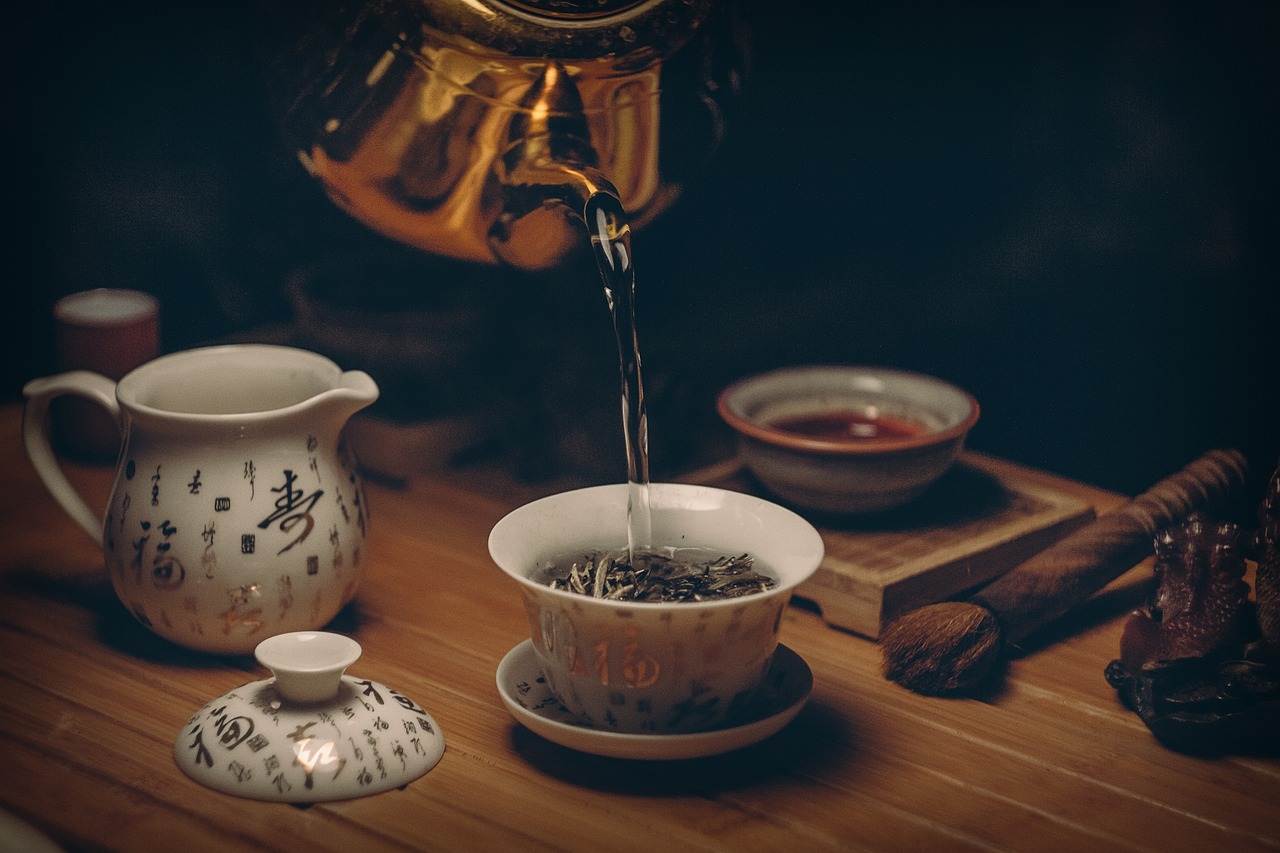
Hibiscus tea
Before taking the tea for hypertension, It's important to measure your blood pressure. Also, talk to a cardiologist. Remember: teas should not replace prescribed medications.
Soon, you'll see how to prepare this tea. We'll discuss safe dosages and alternatives for those with dietary restrictions. We want to help control blood pressure naturally, based on science.
Why choose natural teas to control blood pressure?
Natural teas are great allies for those who are monitoring their blood pressure. They combine ancient wisdom with scientific discoveries, offering ingredients that are good for the heart and can aid in medical treatment.
Teas help regulate blood pressure because they contain antioxidants. They combat stress in cells and promote healthier blood vessels. Additionally, they improve sleep and reduce anxiety, helping to control blood pressure spikes.
- Reduction of oxidative stress by polyphenols.
- Improved endothelial function and arterial elasticity.
- Support for weight management and systemic inflammation.
Relevant mechanisms of action: vasodilation, diuresis, and calming effect.
Teas like hibiscus and ginger help relax the arteries. They improve circulation and lower blood pressure.
Teas that increase urination, such as horsetail and hibiscus, reduce excess fluid retention. This helps lower blood pressure.
Chamomile and valerian have a calming effect through special compounds. They reduce anxiety and the risk of sudden high blood pressure.
Limitations: teas are a supplement, not a substitute for medical treatment.
Natural teas are a supplement, not a substitute for medication. Caution is needed regarding potential drug interactions. Pregnant women, breastfeeding mothers, or those with special conditions should speak with a doctor before use.
- Teas are an adjunct to treatment; follow medical advice.
- Monitor blood pressure and signs of adverse effects when starting any tea.
- Seek nutritional or medical advice for safe dosages.
Tradition and research show that hibiscus, ginger, and turmeric are beneficial. But we still need more studies. Ideally, we should combine folk wisdom with professional guidance.
Tea Recipe for High Blood Pressure
This recipe helps those with high blood pressure. It mixes natural ingredients known to lower blood pressure. It contains things that help remove excess water from the body, improve blood flow, and protect cells.
Ingredients and properties
- Hibiscus: 1–2 g of the calyces. It is good because it helps eliminate water and relaxes blood vessels.
- Garlic: 1 crushed clove. It contains a substance that improves blood flow and protects cells.
- Olive leaves: 1 chopped dessert spoon. They contain compounds that control blood pressure and have a calming effect.
- Ginger: 2–3 cm of freshly grated ginger or 1 teaspoon of powder. Helps expand blood vessels and fight inflammation.
Step-by-step preparation instructions
- Boil 500 ml of water.
- Add hibiscus, garlic, olive leaves, and ginger after turning off the heat.
- Let the mixture rest for 5–10 minutes with the pan covered.
- Then, simply strain and serve, either warm or cold.
This way of making tea ensures you get the most out of the ingredients. It's easy and practical.
Suggested dosage and guidelines for safe use.
- Drinking a 150–200 ml cup up to twice a day is great.
- Wait at least 8 hours between cups, especially if it includes hibiscus.
- Do not consume more than 6g of hibiscus per day to avoid problems.
- If you want to use horsetail, use it only for up to 7 consecutive days.
- It's important to talk to a doctor if you are taking other medications or have any health problems.
Recipe variations to suit different tastes and dietary restrictions.
- If you can't use garlic, add more hibiscus and olive leaves.
- For a nighttime version, use chamomile instead of garlic.
- If possible, sweeten with honey or add lemon for taste and vitamin C.
- This recipe is caffeine-free, so it's suitable for those who don't want stimulants.
When trying to make the recipe, note how you feel and adjust as needed. This tea is a complement to a healthy lifestyle if made correctly.
Teas with diuretic properties are useful for high blood pressure.
Some plants can help control high blood pressure thanks to their diuretic effect. It's important to use these plants carefully. Here, we'll talk about how to prepare them, how to take them, and the precautions to take with them. diuretic teas.
Horsetail tea: how to prepare and when to use it.
To make horsetail tea, use one tablespoon of dried stem per cup of water. Boil the water, turn off the heat, add the horsetail, and let it steep for 5 to 10 minutes. Strain before drinking.
You can drink up to two cups a day, but not for more than seven consecutive days. It's good for those who retain a lot of fluid. But be careful, as it can cause you to lose minerals.
- Avoid during pregnancy and breastfeeding.
- Do not give to children under 12 years of age.
- Contraindicated in heart failure and kidney disease.
Hibiscus tea: choosing the right calyces and safe dosages.
Choose dark hibiscus calyces, as they have more anthocyanins. Use 1 tablespoon or 1–2 g of calyces per cup and let it steep for 5 to 10 minutes. Strain afterwards.
It is safe to drink 1–2 cups per day, leaving 8 hours between them. Do not exceed 6g daily to avoid problems. Those taking medication for blood pressure or diabetes should speak with their doctor before drinking hibiscus tea.
Lemongrass tea: effects and contraindications
Lemongrass tea is a mild diuretic. Use one tablespoon of fresh leaves per cup and steep for 5 minutes.
It aids in diuresis and contains antioxidant and vascular relaxant substances. Pregnant women, breastfeeding mothers, and those under 18 should avoid it. Those with heart, kidney, or liver problems should consult a doctor before use. The same applies to those using tranquilizers or antihypertensive medications.
When choosing diuretic teas, it's best to use them briefly and with medical supervision. This way, you minimize risks and better manage your blood pressure.
Teas with vasodilating and antioxidant properties.
Some drinks improve circulation and protect arteries. Here are some simple recipes, their benefits, and safety tips. They should complement, not replace, medical care.
Ginger tea: preparation, effects and interactions
Grate 2–3 cm of fresh ginger and boil it with 200 ml of water for 10 minutes. Or use one tablespoon per liter of water. Then, simply strain it.
Ginger helps dilate blood vessels, fights inflammation, and protects cells. It can even help make blood vessels more flexible. This helps those who want to control high blood pressure.
Do not use ginger without speaking to a doctor if you are taking medication for blood pressure, blood thinners, or diabetes. Children under 6 years old, people with gallstones or gastritis should avoid it. Pregnant women should consult a doctor first.
Turmeric tea: curcumin, benefits and precautions
Add 1 teaspoon of turmeric to 150–500 ml of hot water. Let it steep for 10–15 minutes and strain. Honey enhances the flavor.
Turmeric contains a component, curcumin, which is very good at protecting cells. It helps improve the health of blood vessels and can control blood pressure.
If you take blood medication or have gallbladder problems, be careful with turmeric. During pregnancy and breastfeeding, seek medical advice.
Olive leaf tea: polyphenols and everyday uses
To make the tea, use 1 dessert spoon of dried leaves in 100–200 ml of water. Let it steep for 5–10 minutes. Drink up to 200 ml per day, but not for too long.
Olive leaves contain substances that help control blood pressure without the risk of lowering it too much. They also protect cells and can have a calming effect, making them perfect for everyday use.
There is the option of taking it in capsules, such as 500 mg twice a day. But always ask your doctor first. Avoid if you are pregnant, breastfeeding, or if you are a child. Those taking diuretics or with kidney problems should consult a doctor.
- Keep records of your blood pressure when testing any new tea.
- Discontinue use if dizziness, palpitations, or bleeding occur.
- Combine moderation and professional guidance to reduce risks.
Teas and herbs to reduce stress and anxiety related to hypertension.
Stress can raise your blood pressure. Drinking calming teas can help lower it. They are easy to incorporate into your personal care routine.
This strategy uses herbs and specific times for consumption. Therefore, it helps in the treatment of high blood pressure. Anyone can do this at home.
Chamomile and valerian
Chamomile (Matricaria recutita) It contains apigenin, which soothes and helps eliminate fluids. Use 0.5 to 4 g per cup, up to four times a day. But be careful during pregnancy and with certain medications.
Valerian root is used in teas to relax muscles and calm the mind. Add approximately 5g to each cup. It's best to drink it at night because of the drowsiness it may cause. Anyone already taking calming medications should speak with a doctor before using valerian.
Lemongrass and relaxation practices
Lemongrass, or lemon grass, contains citral, limonene, and geraniol, which combat oxidation and promote relaxation. A warm lemongrass tea can enhance tranquility if drunk before relaxing.
Drink the mixture 15 to 20 minutes before starting your workout. This way, the effect will be stronger during exercise.
How to combine breathing and tea.
Deep breathing can lower blood pressure quickly. Inhale, hold for 2 seconds, and exhale slowly. Doing this for 5 to 10 minutes helps reduce blood pressure and anxiety.
Drinking a cup of chamomile or lemongrass tea beforehand helps even more. Drink it, wait a moment, and begin to breathe slowly. This simple method helps control high blood pressure caused by stress.
- Practical suggestion: drink warm tea and practice breathing exercises for 5–10 minutes in a calm environment.
- Caution: avoid mixing valerian with alcohol or other sedatives.
- Clinical observation: calming teas for blood pressure They are complementary; they do not replace prescribed medication.
Other natural drinks that complement the treatment of hypertension.
There are other natural drinks that help control blood pressure. It's important to use them with medical guidance. Here are some recipes and safety tips for your daily routine.
Lemon juice with coconut water
- Recipe: Mix the juice of 3 lemons with 200 ml of coconut water. Drink once a day.
- Benefits: This juice has a mild diuretic effect. It helps eliminate fluids and keep blood pressure under control.
- Precautions: Do not use if you have reflux or are allergic to coconut. And be sure to continue taking your medication.
Blueberry and pomegranate juice
- Blueberry: Blend blueberries with water and lemon. Drink once or twice a day.
- Pomegranate: Drink pomegranate juice to add variety to your diet. The antioxidants help your blood vessels.
- Note: Blueberry juice works best with a healthy, low-salt diet.
Garlic water, celery juice, and banana and avocado smoothie.
- Garlic water: Soak garlic in water for 6–8 hours. Drink on an empty stomach to improve circulation.
- Celery juice: Blend celery with orange. It has properties that help the blood vessels, but use with caution.
- Banana and avocado smoothie: Mix with yogurt. It's good for eliminating sodium and relaxing blood vessels.
Speak with a specialist before adding these drinks to your routine. Care must be taken with dosages and potential interactions with medications.
Safety: contraindications, interactions, and risk groups
Before starting to drink teas to control blood pressure, it's important to know the risks. Teas can be helpful, but they have contraindications for people with high blood pressure.
It's crucial to inform your doctor about any teas or supplements you consume. This helps prevent problems and allows for necessary adjustments to your therapy.
Drug interactions
- Garlic, ginger, and turmeric can strengthen the effect of anticoagulants, increasing the risk of bleeding.
- Ginger and hibiscus can lower blood pressure, affecting the dosage of blood pressure or diabetes medication. Monitoring vital signs is vital.
- Olive leaves and diuretic teas may interact with prescribed diuretics, requiring regular monitoring of electrolytes and kidney function.
Who should consult a doctor beforehand?
- Pregnant women and breastfeeding mothers should exercise caution, as some plants can be harmful. Horsetail, olive, and lemongrass are generally not recommended.
- Children may be at risk from certain infusions. Chamomile is recommended with caution after six months of age.
- Those with kidney, liver, or heart problems should avoid teas that cause strong diuresis or alter electrolytes.
- If you have a history of gallstones, some herbs may be problematic and cause pain.
Warning signs
- If you experience rapid heartbeat, dizziness, or fainting, it could be a sign of low blood pressure. Stop drinking the tea and see a doctor.
- Unusual bleeding or bruising may be signs of interaction with anticoagulants.
- Severe stomach pain, nausea, or allergies warrant a visit to the emergency room.
Keeping your blood pressure under control helps you use teas safely. Knowing about interactions and risks prevents problems. If you have any doubts, talk to a professional before using them.
Practical tips for incorporating teas into your daily routine without causing harm.
Adding teas to your daily routine requires simple precautions. This helps you enjoy their benefits without risks. The advice here will cover how often to drink them, proper storage, and even how to avoid problems.
Frequency, timing, and combination with meals.
To control blood pressure with tea, drink 1 to 2 cups a day. It's good to space out consumption by at least eight hours between each hibiscus tea.
Teas that increase urination should be avoided at night. This way, you won't lose sleep. Also, be careful with calming teas before doing something that requires focus.
If tea gives you heartburn, try drinking it after eating. This may lessen the effects of foods containing iron or calcium.
How to avoid excessive consumption and toxicity.
It's vital to respect limits to avoid problems. With hibiscus, don't exceed the suggested amount. More than 6g/day of hibiscus without consulting a specialist is not good.
Horsetail should be used with caution, for no more than a week. Watch out for signs like cramps and fatigue. These may indicate nutrient loss. diuretic teas.
Do not drink too many different types of tea at the same time. They can interfere with blood pressure or blood-thinning medications. Always seek advice from a doctor or nutritionist beforehand.
Storage, herb quality, and proper preparation.
Always look for good quality herbs. Prefer to buy from trusted sources and choose organic if possible. Always check the appearance and smell to avoid bad products.
Store herbs in a cool, dark place in a tightly sealed container. This preserves their aroma and prevents mold.
Follow the instructions for how long to steep the herbs. This is usually 5 to 10 minutes. Then, strain and drink while it's fresh. If left for longer, it may become bitter.
- Rule of thumb: Note any reactions when starting a new tea for two weeks.
- Keep a record of your blood pressure before and after use to assess the effect.
- If in doubt, prioritize seeking advice from a qualified medical professional.
Diet and lifestyle that enhance the effect of teas.
Teas can help control blood pressure when you eat well and have a healthy routine. Eating foods rich in important nutrients and making small changes to your daily life enhances the effect of the infusions. These changes make the teas more effective at dilating blood vessels and eliminating fluids.
DASH diet and functional foods
Adopting the DASH diet helps lower blood pressure. This means eating more fruits, vegetables, whole grains, and low-fat dairy products. These foods provide fiber and antioxidants that help teas work better. Following this diet keeps blood pressure under control.
Potassium and magnesium in daily routine
Eating foods rich in potassium and magnesium helps to excrete sodium and relax blood vessels. For example, eating bananas, avocados, natural yogurt, sunflower seeds, and brown rice is good. Combining these nutrients with diuretic teas is a great idea.
Reducing salt intake and controlling weight
It's good to limit your daily salt intake to 2g and avoid highly processed foods to lower blood pressure. It's also important to lose weight, if necessary, and exercise regularly, aiming for 150 minutes of moderate exercise per week. This enhances the positive effects of teas.
Avoid alcohol and tobacco; take care of your sleep.
Alcohol and tobacco increase blood pressure and decrease the effect of natural remedies. Sleeping well and doing things like deep breathing, meditation, and yoga help lower blood pressure. These activities increase the calming effect of teas.
Practical integration for everyday life.
- Replace salty snacks with fruits rich in potassium.
- Include a serving of whole grains in two of your daily meals.
- Drink teas that complement foods rich in potassium magnesium hypertension, ...not with very salty meals.
- Combine a daily walk with afternoon tea to reduce stress.
Small changes in daily life, following the DASH diet, and consuming potassium and magnesium can create the perfect environment. Therefore, teas have a stronger effect on blood pressure control.
Scientific evidence and references to support the use of teas.
Recent studies show the effect of teas on blood pressure. They summarize the findings and limitations of this research. They also indicate where to find reliable information for further consultation.
- Studies suggest that hibiscus may lower blood pressure. Anthocyanins help by dilating blood vessels and acting as antioxidants. The dosage amount is important in the studies. Search for... hibiscus studies hypertension It is useful for finding evidence.
- Ginger has effects that may dilate blood vessels and possibly inhibit ACE, as well as reduce inflammation, promoting healthy blood vessels. Research evidence ginger pressure Tests revealed a slight drop in blood pressure.
- Turmeric or curcumin shows positive effects on blood vessels and inflammation markers. Studies on curcumin blood pressure They yielded promising results, although dosages and formulations varied.
- Magnesium can improve vascular health and lower blood pressure if used for an extended period. Reviews such as the one in High Blood Pressure Cardiovascular Prevention mention this. Magnesium levels increase blood pressure.
Limits of research
- Studies vary in dose, duration, and quality. Many are small or short-term.
- The results are generally a complement to medical treatment, not a substitute.
- Care must be taken regarding drug interactions and safety in specific groups. A doctor should always be involved before making changes to treatment.
Reliable sources for reference
- Articles in databases like PubMed and peer-reviewed journals are reliable.
- Medical organizations, such as the Brazilian Society of Cardiology, and Brazilian clinical guidelines offer good information.
- Professionals such as cardiologists, general practitioners, pharmacists, and nutritionists help interpret studies and adjust treatments.
Conclusion
We can conclude that teas for high blood pressure are helpful when combined with hibiscus, garlic, olive leaves, and ginger. They have diuretic, vasodilating, antioxidant, and calming effects. This mixture helps in managing blood pressure, along with other medical care and a healthy lifestyle.
It's important to remember that teas are not a substitute for medication. Before starting to drink any tea, it's essential to speak with a cardiologist or family doctor. This is even more important for those already taking medication for high blood pressure, heart problems, or liver issues. Always monitor your blood pressure closely.
To control blood pressure naturally, take other measures in addition to drinking tea. Incorporate the DASH diet, reduce salt intake, exercise regularly, and get enough sleep. Check your blood pressure frequently and seek medical advice if you have any questions or problems.
FAQ
Does a tea made with hibiscus, garlic, olive leaves, and ginger replace medication for hypertension?
No. Teas can be a complement, but they do not replace medication. Discontinuing or replacing medication without medical advice is risky.
What is the recipe and preparation method for the suggested combination?
Boil 500 ml of water and turn off the heat. Add the ingredients: 1–2 g of hibiscus, 1 crushed garlic clove, olive leaves, and ginger. Cover and let it steep for 5–10 minutes. Drink warm or cold after straining.
What is the safe dosage for this combined prescription?
Drink one cup up to twice a day. Allow 8 hours between each dose if adding hibiscus. Do not take more than 6g/day of hibiscus. See how your body reacts. Talk to a doctor if you are using other medications.
What are the expected benefits of using these teas as a supplement?
They improve vasodilation and contain antioxidants. They also help eliminate excess water from the body and have a calming effect. This helps reduce stress on the body, improve circulation, and reduce swelling.
What are the main risks and drug interactions?
Some ingredients can increase the risk of bleeding when taken with anticoagulants. Hibiscus and ginger can intensify the effect of blood pressure and diabetes medications. Tell your doctor about all teas and supplements you take.
Who should avoid these teas or seek guidance before using them?
If you are pregnant, breastfeeding, under 18 years of age, or have kidney or heart problems, gallstones, or are taking many medications, talk to a doctor first. Also avoid continuous use of horsetail without medical supervision.
How to prepare and use horsetail tea safely?
Use 1 tablespoon of dried stem per cup. Boil, turn off the heat, add the herb, and let it steep for 5–10 minutes. Strain before drinking. Drink up to 2 cups per day, for a maximum of one week. May cause mineral loss. Avoid if pregnant or have kidney problems.
What is the proper preparation and safe dosage for hibiscus tea?
Use dark-colored cups. Place 1 tablespoon or 1–2 g in hot water, wait 5–10 minutes, then strain. Drink 1–2 cups a day, with 8 hours between each. Do not exceed 6 g daily. Consult a doctor if you are being treated for high blood pressure or diabetes.
How to prepare ginger tea and what precautions to take?
Grate 2–3 cm of ginger into 200 ml of water. Boil for 10 minutes, let it rest, and strain. Ginger can help with inflammation and blood pressure, but be careful of drug interactions. Avoid if you have gastritis, gallstones, or are very young.
What are the effects and precautions of turmeric tea?
Turmeric has antioxidants and helps blood vessels. Prepare with 1 teaspoon in hot water, wait 10–15 minutes. Do not use with anticoagulants or if you have biliary obstruction. Pregnant and breastfeeding women should speak with a doctor.
Are olive leaves safe for everyday use?
Olive leaves help lower blood pressure and are safe on their own. Use 1 tablespoon per 100–200 ml, infuse for 5–10 minutes. Avoid during pregnancy and if you have kidney problems. Talk to a doctor before prolonged use or with diuretics.
Can I add chamomile or valerian for a calming effect?
Chamomile and valerian are calming and help with stress. Use chamomile with caution if you have allergies, and avoid valerian during the day as it can cause drowsiness. Talk to a doctor if you are using sedatives or anticoagulants.
How can you combine teas with breathing techniques to reduce blood pressure?
Drinking calming teas like chamomile and practicing deep breathing helps with blood pressure. Inhale deeply, hold, and exhale slowly. Use this along with other treatments for greater benefit.
Which natural drinks can help control hypertension?
Lemon juice and coconut water, blueberry juice, pomegranate, garlic water, celery juice, and banana/avocado smoothies are helpful. They contain potassium and magnesium. Talk to a professional first.
How to avoid toxicity and excessive consumption of hypotonic teas?
Do not exceed 6 g/day of hibiscus and use horsetail in moderation. Watch for signs of mineral loss and adjust if necessary. Avoid mixing without guidance to prevent dangerous interactions.
What warning signs require stopping tea consumption and seeking medical attention?
Stop drinking the tea and seek medical attention if you experience severe dizziness, rapid heartbeat, serious hypotension, bleeding, intense abdominal pain, or allergies. Tell your doctor about the teas you drink.
How to store and choose quality herbs?
Buy from trusted sources and choose organic. Store in a cool, dark, and sealed place to protect against mold. Follow steeping times and drink fresh. Do not mix too many herbs without advice.
How can I incorporate teas into my lifestyle to maximize benefits for blood pressure?
Teas can be beneficial when combined with a healthy diet low in salt and rich in potassium and magnesium. Maintain a healthy weight and exercise regularly. Avoid alcohol and cigarettes. Get enough sleep and manage stress for healthy blood pressure.
Is there scientific evidence to support the use of these plants?
Yes. Research shows benefits of hibiscus, ginger, and curcumin for blood pressure. Magnesium also helps with vascular health. However, more long-term studies are needed to confirm these effects.
Where can I find reliable information about using teas to treat hypertension?
Read scientific articles and consult the guidelines of the Brazilian Society of Cardiology. Nutritionists and doctors can also provide guidance on the safety and effectiveness of these teas.
Content created with Artificial Intelligence Assistance